
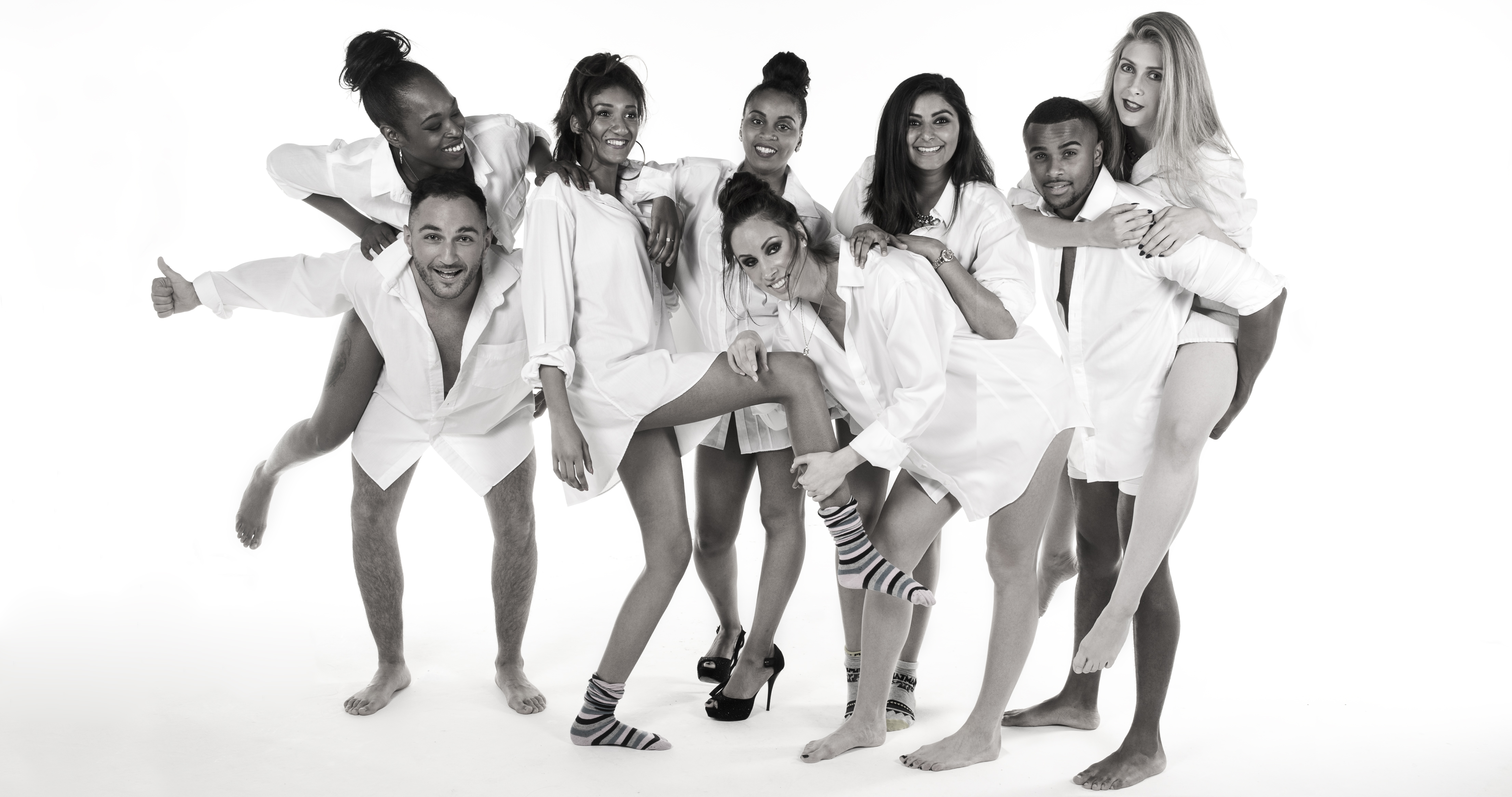
We are currently accepting applications to join us.
Download the relevant registration form below. The registration form will need to be fully completed apart from the banking details – these can be added at a later time.
Send the completed form along with 2 recent images to: bookings@wilkinscastingagency.com and one of the team will be in touch should you be successful.
For those that are successful, you will receive a contract via Adobe to complete registration.
*Please note, we will NOT be responding to unsuccessful applicants, if you have not heard back from us within 28 days, do take this as you have been unsuccessful on this occasion.
If you have been removed off the roster for breach of contract within the past 12 months, you will not be eligible to re-join during this period. We may consider your application after this timeframe but we cannot guarantee you will be accepted.
Young Performers Division
The Young Performers Division is for those born on or after 1st September 2010.
Download Wilkins Casting – Child Registration Form
Artist Division
The Artist Division is for those born on or before 31st August 2010.
Download Wilkins Casting – Artist Registration Form
Chaperone Division
The Chaperone Division is currently closed due to reaching quota.
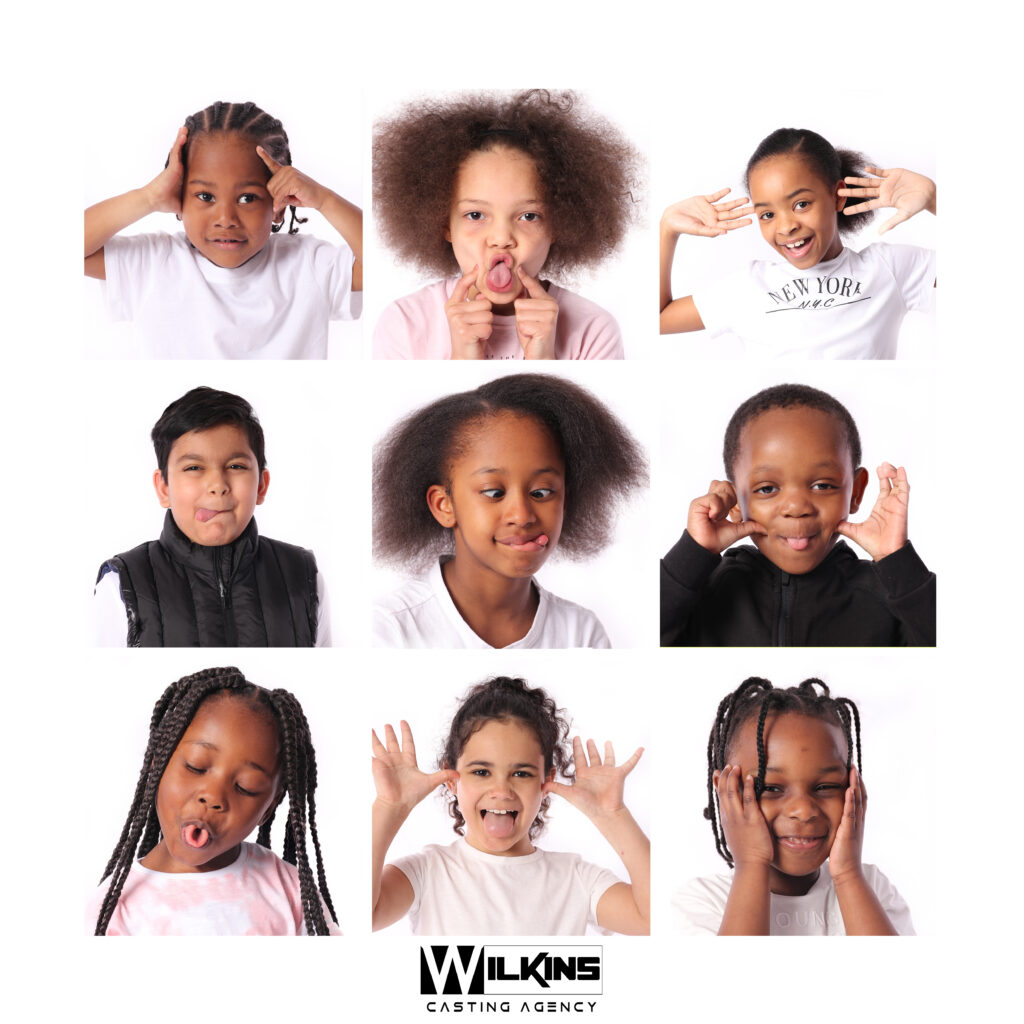
Wilkins Casting represents actors, models and supporting artistes for opportunities across film, television, commercials and other productions. As a talent agency, we earn commission on work secured through us. Please note that joining our books does not guarantee auditions or bookings.
INTERESTED IN WORKING IN FILM, TELEVISION OR MODELLING?
Whether you’re interested in acting, modelling or supporting artiste work, we’ve put together some helpful advice to give you a better understanding of the industry and what to expect when getting started.
TIPS ON BECOMING AN ACTOR
Becoming an actor requires dedication, confidence and a willingness to develop your skills. While formal training and previous experience can be beneficial, they are not always essential when starting out. Many actors begin by attending drama classes, workshops, local theatre productions or participating in student and independent films.
Acting roles will often require an audition or self-tape, where you may be asked to learn lines and perform a short scene. Developing your ability to take direction, understand characters and deliver natural performances can help improve your chances of securing roles.
Having recent, natural headshots and an acting CV is important when applying for opportunities. As you gain experience, you may also wish to create a showreel featuring examples of your performances. Professional training can be valuable, but be cautious of anyone promising guaranteed acting work in exchange for expensive courses, photographs or registration fees.
Auditioning is a significant part of an actor’s journey, and not every audition will result in a booking. Casting decisions depend on many factors, including your performance, appearance, suitability for the character and the production’s requirements.
Building an acting career takes time, persistence and commitment. Being professional, reliable and prepared for auditions will help you make a positive impression and develop relationships within the industry.
TIPS ON BECOMING A MODEL
Modelling is a highly competitive industry that requires confidence, professionalism and a positive attitude. While previous experience can be beneficial, it is not always essential when starting out. There are many different types of modelling, including commercial, lifestyle, fashion and advertising, with opportunities for people of different ages, backgrounds, sizes and appearances.
If you’re interested in becoming a model, having clear, recent photographs is a good place to start. These don’t necessarily need to be professionally taken, but should accurately reflect your current appearance. Natural headshots and full-length photographs with minimal editing are particularly useful when applying to agencies or being considered for castings.
Modelling involves much more than simply having your photograph taken. You may be required to attend castings, follow direction, work with photographers and production teams, and adapt to different environments. Shoots can involve early starts, long hours and travelling to various locations, so being reliable, punctual and comfortable in front of the camera is important.
Be cautious of agencies or individuals requesting large upfront payments to join their books or promising guaranteed modelling work. Similarly, take care when approached by photographers offering portfolio shoots, particularly through social media. While working with photographers can help build experience and develop your portfolio, always research who you’re working with and ensure you understand how your images may be used.
Not every casting will result in a booking, as clients often have very specific requirements for each project. Building experience, maintaining up-to-date photographs and remaining professional throughout the process can help you develop your opportunities within the industry.
TIPS ON BECOMING A SUPPORTING ARTISTE
Supporting artistes, also known as background artists or extras, play an important role in bringing film and television scenes to life. Unlike actors with speaking roles, supporting artistes are generally selected based on their appearance, availability and the specific requirements of a production. People of all ages, backgrounds and appearances are needed.
Supporting artiste work can be an enjoyable and rewarding experience, offering the opportunity to work on professional film and television productions. Rates of pay vary depending on the production, the type of work involved and any additional allowances. However, bookings are not guaranteed and work can be irregular, so it should not necessarily be relied upon as a consistent source of income.
For those interested in pursuing acting, supporting artiste work can provide an opportunity to observe professional actors, directors and crew members in action. It allows you to gain a better understanding of how film and television productions operate, including what happens behind the scenes and the expectations of working on set.
However, working as a supporting artiste does not automatically lead to acting opportunities or speaking roles. Occasionally, productions may require supporting artistes for walk-on or featured roles, which can involve additional responsibilities and, in some cases, dialogue. These opportunities may require a self-tape audition, where you will be asked to record yourself performing a short scene or delivering lines for the casting team to review.
Unlike acting roles, supporting artiste bookings rarely require auditions. Selection is generally based on your appearance, availability and suitability for the production, although previous experience or specific skills may sometimes be required.